

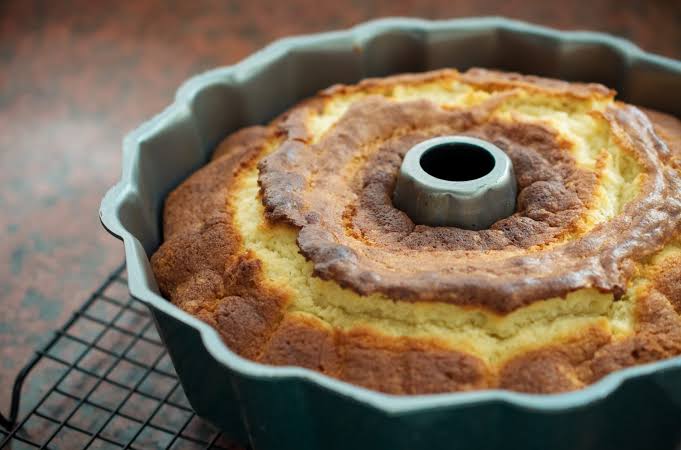
Classic pound cake has a dense, buttery crumb, a golden crust, and a rich vanilla flavor. It is sturdy enough to slice cleanly but remains tender when the butter and sugar are creamed properly.
This version relies on air incorporated during mixing rather than baking powder. Room-temperature ingredients, gradual additions of eggs, and gentle mixing after the flour is added are essential for an even texture.
Serve pound cake plain, dusted with powdered sugar, or accompanied by berries, whipped cream, or a simple fruit sauce.
Why You’ll Love This Recipe
- Butter and vanilla provide a rich, familiar flavor.
- The cake has a dense but tender crumb.
- No frosting or complicated decoration is required.
- It can be prepared a day or two before serving.
- The sturdy slices work well with fruit and dessert sauces.
- Pound cake freezes well for future servings.
Ingredients
- 1 1/2 cups unsalted butter, softened: Provides the cake’s primary flavor and tender texture.
- 2 1/2 cups granulated sugar: Sweetens the cake and helps aerate the butter during creaming.
- 6 large eggs, at room temperature: Give the cake structure and richness.
- 3 cups all-purpose flour: Creates the dense, sturdy crumb.
- 1/2 teaspoon kosher salt: Balances the sweetness.
- 1 cup whole milk, at room temperature: Adds moisture and loosens the batter.
- 2 teaspoons pure vanilla extract: Adds warm vanilla flavor.
- Baking spray with flour: Helps the cake release cleanly from the pan.
Ingredient Substitutions
- Unsalted butter: Salted butter can be used if the added salt is omitted.
- Whole milk: Two-percent milk or half-and-half can be substituted. Half-and-half creates a slightly richer cake.
- All-purpose flour: Cake flour can be used for a softer, finer crumb.
- Vanilla extract: Use an equal amount of vanilla bean paste.
- Baking spray: Grease the pan thoroughly with softened butter and dust it with flour.
Butter is important to the structure and flavor of pound cake. Margarine or spreadable butter products are not recommended.
How to Make Pound Cake
- Bring the ingredients to room temperature.
Let the butter, eggs, and milk stand at room temperature before mixing. The butter should indent when pressed but should not look melted or greasy. - Prepare the oven and pan.
Position a rack in the center of the oven and preheat it to 325°F. Thoroughly coat a 12-cup Bundt or tube pan with baking spray containing flour, reaching into every ridge. - Combine the flour and salt.
Whisk the flour and salt in a medium bowl until evenly distributed. - Cream the butter.
Beat the softened butter in a large mixing bowl on medium speed for approximately 1 minute, until smooth. - Add the sugar gradually.
Slowly add the granulated sugar while continuing to beat. Cream the butter and sugar for 4 to 5 minutes, until noticeably lighter in color and fluffy. Scrape the bowl several times. - Add the eggs.
Beat in the eggs one at a time on medium-low speed. Allow each egg to blend completely before adding the next. Scrape the bottom and sides of the bowl frequently. - Add the vanilla.
Mix in the vanilla extract until evenly combined. - Alternate the flour and milk.
Add approximately one-third of the flour mixture and mix on low just until combined. Add half of the milk, followed by another third of the flour. Repeat with the remaining milk and finish with the remaining flour. - Finish the batter gently.
Fold the batter several times with a spatula, reaching the bottom of the bowl. Stop as soon as no dry flour remains. - Fill the pan.
Spoon the batter evenly into the prepared pan. Smooth the top and tap the pan gently on the counter two or three times to release large air pockets. - Bake the pound cake.
Bake for 75 to 85 minutes. The cake is ready when the top is golden, the edges begin pulling slightly from the pan, and a long wooden skewer inserted near the center comes out clean or with a few moist crumbs. - Cool in the pan.
Place the pan on a wire rack and let the cake cool for 15 minutes. Do not leave it in the pan much longer, as the sugars can cause it to stick. - Remove the cake.
Run a thin flexible knife around any accessible edges. Place a wire rack over the pan and carefully invert both together. - Cool completely.
Let the pound cake cool for at least 2 hours before slicing. The crumb will continue setting as the cake cools.
Tips for the Best Classic Pound Cake
- Soften the butter without melting it. Butter that is too warm cannot hold enough air.
- Cream the butter and sugar for the full recommended time.
- Add the eggs individually to keep the batter emulsified.
- Measure flour by spooning it into the measuring cup and leveling the top.
- Mix on low after adding the flour to avoid a tough crumb.
- Coat every ridge of the pan to prevent sticking.
- Test the deepest portion with a long skewer before removing the cake.
Common Mistakes to Avoid
Using Melted or Greasy Butter
Overly warm butter cannot trap air properly. The butter should be soft but still hold its shape.
Rushing the Creaming Stage
Because this cake contains no baking powder, proper creaming is important for its rise. Beat until the mixture looks pale and fluffy.
Adding the Eggs Too Quickly
Adding several eggs at once can cause the batter to separate. Mix in each egg before adding another.
Overmixing After Adding Flour
Excessive mixing develops gluten and creates a tough texture. Mix only until the flour disappears.
Removing the Cake From the Pan Immediately
The hot cake is fragile and may break. Cool it for 15 minutes before carefully inverting it.
Variations
Lemon Pound Cake
Add 2 tablespoons finely grated lemon zest with the sugar. Replace 2 tablespoons of milk with fresh lemon juice.
Almond Pound Cake
Replace 1 teaspoon of vanilla with 1 teaspoon almond extract. Sprinkle sliced almonds over individual servings.
Marble Pound Cake
Mix 1/4 cup natural cocoa powder and 2 tablespoons milk into one-third of the finished batter. Alternate the vanilla and chocolate batters in the pan and swirl gently.
Glazed Pound Cake
Whisk 1 cup powdered sugar with 2 tablespoons milk and 1/2 teaspoon vanilla. Drizzle the glaze over the completely cooled cake.
Berry-Topped Pound Cake
Serve slices with fresh strawberries, blueberries, raspberries, and lightly sweetened whipped cream.
What to Serve With Classic Pound Cake
- Fresh berries
- Whipped cream
- Vanilla ice cream
- Lemon curd
- Strawberry or blueberry sauce
- Hot coffee or tea
How to Store
Store cooled pound cake in an airtight container at room temperature for up to 3 days. Refrigerate it for up to 5 days if longer storage is needed, although refrigeration can make the crumb firmer.
Pound cake does not require reheating. For a slightly warm slice, microwave it for about 10 seconds or toast it briefly in a dry skillet.
To freeze, wrap the entire cake or individual slices tightly and place them in a freezer-safe container. Freeze for up to 3 months. Thaw at room temperature while still wrapped to help retain moisture.
Frequently Asked Questions
Why is pound cake dense?
Pound cake traditionally contains generous amounts of butter, sugar, eggs, and flour. Its close, rich crumb is intentionally denser than a standard layer cake.
Why doesn’t this recipe use baking powder?
The cake rises primarily from air incorporated while creaming the butter and sugar and from the eggs. Proper mixing is essential.
Can I bake pound cake in loaf pans?
Yes. Divide the batter between two greased 9-by-5-inch loaf pans. Begin checking for doneness after approximately 60 minutes.
Why did my pound cake crack on top?
A crack is normal. The outside sets before the center finishes expanding, causing the top to split as the cake rises.
Why did the cake stick to the pan?
The pan may not have been coated thoroughly, or the cake may have cooled in it for too long. Grease every ridge and invert the cake after approximately 15 minutes.
Can I make pound cake ahead of time?
Yes. Pound cake often slices especially well the day after baking. Store it tightly covered at room temperature.
How can I tell when pound cake is done?
The top should be golden, the edges should pull slightly from the pan, and a long skewer inserted into the deepest section should come out without wet batter.
Final Thoughts
Classic pound cake depends on careful mixing rather than complicated ingredients. Properly softened butter, thorough creaming, and gentle handling after adding the flour produce a rich cake with a golden crust and tender, even crumb.